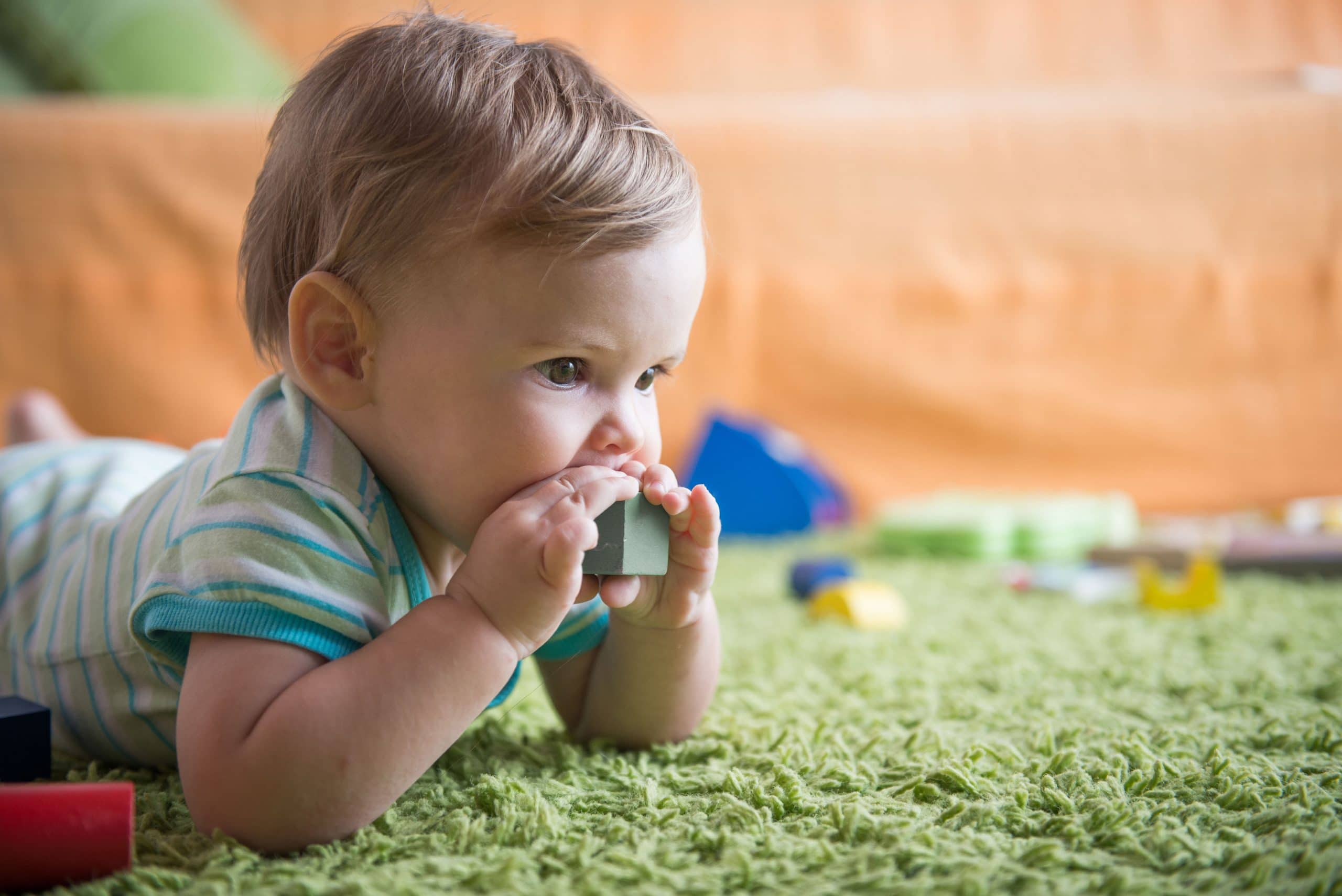
Do you want to give 'old' toys a second life by painting them a fun colour? Wooden toys have become very popular again in recent years. And the best part is that you don't always have to buy these toys new. At flea markets or in a corner of the attic at grandma and grandpa's house, you can often still find fun toys from 'the old days'. With a lick of paint, these toys are as good as new. But make sure to use the right paint for this!
A beautiful colour is the starting point. Also choose a product suited to the surface and its use. An EN 71-3 test concerns the migration of specified elements under test conditions; it does not automatically make every painted toy suitable or safe. For a specific use on toys or children’s furniture, ask us for product advice and the relevant report.
step-by-step plan
Before you start, you must first carefully inspect the surface. If the surface has not been pre-treated, we recommend applying a layer of multi-primer first. Multi-primer ensures good adhesion of our lacquer and thus a longer life cycle. Are you painting over an existing layer of lacquer? Then sand it down first with sandpaper of a certain grit. Always wear safety glasses and a dust mask when sanding. Then clean the surface and make it grease-free with a damp cloth and some detergent.
Masking off the edges with tape might be a lot of work, but it is very important. Test beforehand to make sure the tape doesn't stick too well and damage anything. If it does, choose tape that is suitable for delicate surfaces.
Open the can and use the stirring stick to stir the paint well. Then pour some fairf into the tray. For the best result, work element by element. Apply enough paint to an element and spread it with long strokes. The paint will now flow out and form a smooth layer. Check for dust particles at an angle and remove them with your brush while it is still easy to do so.
Follow the chosen paint’s instructions for drying, recoating and use. Times depend on the product and conditions. Allow painted objects to cure fully before use.
Finished painting? Keep leftover paint tightly sealed and frost-free, following the product instructions, for your next project or a small touch-up. Do not pour paint or rinse water containing paint down the drain. Follow the product label and local collection rules for leftover paint, tool cleaning and empty packaging.
And don't forget to share a photo of the result with #fairf!
Choosing a selection results in a full page refresh.